
"Ethiopian coffee history"
1000 article(s) found

Why Ethiopian coffee is so popular the history of Ethiopian coffee tells you
Professional Coffee knowledge Exchange more information about coffee beans Please follow the coffee workshop (official Wechat account cafe_style) there are many reasons why coffee in Africa, especially Ethiopian coffee. Ethiopia's coffee industry is steeped in a rich blend of history, tradition and facts with historical fiction. From the story of Caldy and his ant goat to what coffee lovers call Yir

The Development History of Fine Coffee in Ethiopia
One of the rarest Ethiopian coffee beans on the market is Ilgachafi, which is exported to Japan and Europe but is rarely seen in the United States. This is because Dallmeyer, a German coffee roaster owned by Nestl, has established a close relationship with the growers of Ilga Chafi coffee, thus obtaining the largest order of this kind of coffee beans.

World Coffee History Ethiopian Shepherds find Red Coffee fruits
In the sixth century, Ethiopian shepherds discovered red coffee fruits. In the eleventh century, Arab merchants spread coffee to Europe. In the 16th century, Franz Geora Kolschitzky, a Viennese, established the first coffee shop in Europe. He also started the trend of drinking coffee with milk. In 1554, coffee in Istanbul became black gold, and it was very popular with Ethiopian shepherds in the sixth century.

Ethiopian Coffee History Ethiopia Harald Coffee
For more information on coffee beans, please follow the coffee workshop (Wechat official account cafe_style) Ethiopia is recognized as the birthplace of coffee, but it must be added that the Arabica line was first discovered in southern Sudan and did not flourish until it spread to Ethiopia. So people here began to eat coffee fruit, at first when

Coffee + name + Origin of Ethiopian History
Coffee + name + History of Ethiopia Coffee is produced in many parts of Ethiopia, but the main producing areas are still concentrated in the Kafa and Hidamo areas in the southwest. Where the sea limit is between 11002300 meters, the precipitation is uniform during the growing period, the temperature is maintained between 1524 degrees Celsius, and most of the soil is weakly acidic soil with good drainage and rich humus, which is suitable for coffee.

World Coffee History in the sixth Century Ethiopian shepherds discover red coffee fruits
In the sixth century, Ethiopian shepherds discovered red coffee fruits. In the eleventh century, Arab merchants spread coffee to Europe. In the 16th century, Franz Geora Kolschitzky, a Viennese, established the first coffee shop in Europe. He also started the trend of drinking coffee with milk. In 1554, coffee in Istanbul became black gold, and it was very popular with Ethiopian shepherds in the sixth century.
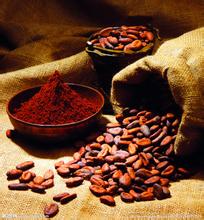
Ethiopian Coffee Culture the Development of Ethiopian Coffee
Ethiopian Coffee has a long History Ethiopian Coffee has a very important history and culture the highest grades of Ethiopian coffee Yega Xuefei G1 G2 Sidamo (Yirgacheffe, Sidamo) are grade 2 and 3 (G2, G3), while sun-processed coffee in eastern Ethiopia is mostly grade 4 or 5 (G4, G5). In many cases, level four coffee is marked as level five.

What are the characteristics of the Ethiopian Sunshine Yaga Sheffield G1 Aduoda Cooperative? History of cooperatives
Professional coffee knowledge exchange more coffee bean information please follow the coffee workshop (Wechat official account cafe_style) Ethiopia sun Yega Xuefei G1 Adoduo cooperative what are the characteristics? National Ethiopian producing areas: Godio, Cochare, Aduoda 2000 2300 meters above sea level, Ethiopian Guyou varieties annual rainfall of about 1800-2000 m

A brief introduction to the History and Culture of the Origin and Development of Coffee in Ethiopian Coffee Manor
Yega Xuefei is a small town, 700-21000 meters above sea level, synonymous with Ethiopian boutique coffee. It has been a wetland since ancient times. The ancient saying "Yirga" means to settle down and "Cheffe" means a wetland. The mode of production and flavor of coffee here are so outstanding that Ethiopian coffee farmers compete to take pride in the flavor of their coffee, and thus become Africa.

Introduction to the History, Culture and Development of Coffee in Ethiopia
Following Cafe Review (Wechat official account vdailycom) found that the Beautiful Cafe opened a small shop of its own, Ye Jia Xuefei Coffee, which refers to Ye Jia Xuefei Coffee, which is produced in Ethiopia. Yega Xuefei is the name of a local town. It is about 1700-2100 meters above sea level. Now Yejashafi coffee has become synonymous with Ethiopian boutique coffee. History: at first, Yega Xuefei's

A brief History of Ethiopian Rosa Coffee
The species of Geisha was discovered in the Rose Summer Forest of Ethiopia in 1931 and sent to the Coffee Institute in Kenya; it was introduced to Uganda and Tanzania in 1936, in Costa Rica in 1953, and Panama was introduced in the 1970s by Francesca of Dongba Seven Farm Garden. Mr. Serraxin got the seeds from CATIE in Costa Rica and started growing Rosa Coffee because

Coffee History, Culture and Development in Ethiopia
Yega Sheffield Coffee refers to the Yega Sheffield Coffee produced in Ethiopia. Yega Xuefei is the name of a local town. It is about 1700-2100 meters above sea level. Now Yejashafi coffee has become synonymous with Ethiopian boutique coffee. History: at first, Yejassefi's coffee trees were planted by European monks, and later by farmers or cooperatives. Yejia Xuefei

Ethiopian Coffee Manor Fine Coffee Bean Origin, Development, History and Culture
It has been estimated that there are at least 2000 varieties of Ethiopian coffee and even more than 4500 kinds of coffee. Compared with the fat posture of Bourbon SL28, the main variety next to Kenya to the south, or Tibica in Central and South America and Asia, Ethiopian beans look a little malnourished. But beans can't be judged by appearance, and Ethiopian coffee has the highest citrus flavor in the world, whether it's instant coffee or
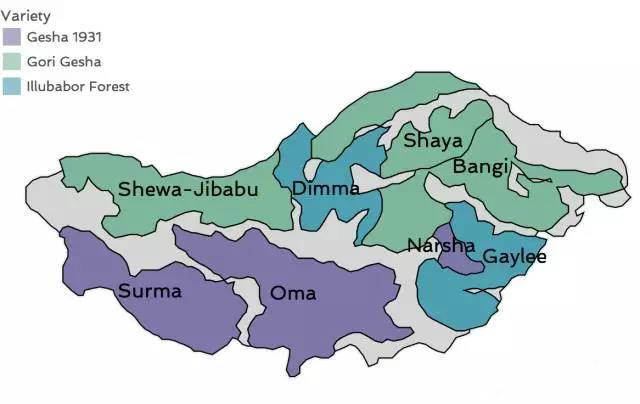
The history of the development of Zuoxia Village-what is the difference between Di Roxia Village and ordinary Ethiopian manors?
In 1931, a team of botanists visited southern Ethiopia and found a species of rose beans near the village of Gesha, with tall trees and larger seeds than ordinary Ethiopian beans. They took the seeds to Kenya, planted them in nurseries and grew up five years later. They took the fruits from the healthiest samples and brought them to Uganda and Tanzania. one hundred and ninety five

The history, culture, stories and allusions of Banci Magi Coffee
For the exchange of professional baristas, please follow the history, culture, stories and allusions of the coffee workshop (Wechat official account cafe_style) Banchi Magi Coffee single Bean. There are mainly eight major producing areas of Ethiopian coffee: Ekempti, Limu, Illubabor, Djimma, Harrar, Teppi/Bebeka, Sidamo, Yirgacheffe. Ethiopian coffee is highly rated in Taiwan.
A brief introduction to the History and Culture of the Origin and Development of Coffee in Ted Manor
The most distinctive flavor found in all Sidamo coffee is lemon and citrus with bright and crisp acidity. This Ethiopian variety is native to Heirloom. As an ancient high-quality coffee variety in Ethiopia, native species can always show a unique style in various Ethiopian origins! Interestingly, compared with the usual Ethiopian coffee beans

A brief introduction to the History and Culture of the Origin and Development of Coffee beans in Harald Moka Manor in Ethiopia
Ethiopia has unique natural conditions suitable for growing all imaginable varieties of coffee. As a highland crop, Ethiopian coffee beans are mainly grown in areas between 1, 100 and 2300 meters above sea level, roughly distributed in southern Ethiopia. Deep soil, well drained soil, weakly acidic soil, laterite and soil are soft and contain

Ethiopian coffee history, culture, development Ethiopian coffee beans and Kenyan coffee beans
Ethiopia's Coffee Ceremony (African Chronicle 1) Before Christmas 2004, I was invited by friends to do technical consulting work in Ethiopia, known as the roof of Africa, for three weeks. At that time, Africa was still regarded as a dangerous region by the Chinese people. In order to buy travel insurance before departure, PICC Wuxi Company asked for instructions to Nanjing, and finally said to me that I could not help. No way, already.

History of Origin and Development of Ethiopian Yega Ficcher kochere washed G1 Fine Coffee beans
Kochere Cochel is located in southwestern Ethiopia, 25 miles north of the famous town of Yega Chefen. The production model is based on local small farmers sending production batches to cooperatives for unified processing. About 100000 people in the local village of Chalalacktu depend on coffee for a living, and related production activities have become their main source of income, due to the benefits of coffee production and the local standard of living.

A brief introduction to the History and Culture of the Origin and Development of Fine Coffee beans in Ethiopia
Honey kiss (NekisseN2): [origin]: 90 + Ethiopia Wellega (Woliga) and Sidama Hidamo) production areas [season]: 2013-2014 [variety]: Ethiopian native species [Level]: 12 [altitude]: 17502000m [treatment]: sun [flavor]: taste clean, multi-layered. Peaches, berries, passion fruit and cream, cow